




If you have an engaged audience, you already own the expensive asset. Most people trying to start a brand are paying to acquire attention you were given. The work in front of you is narrower than it looks — turning attention into a transaction without spending it all in the process.
Six weeks is realistic for this, not aggressive, provided you resist the urge to build. The sequence below assumes you are buying the commerce stack and spending your time on product, positioning and the launch itself.
Weeks one and two — decide what you actually sell
The instinct is to sell the thing your audience talks about. The better move is usually to sell the thing they ask you for. Those are different, and the gap between them is where most first products die. Go through your DMs and comments and count requests rather than compliments.
- Pick one product, in one variant range. A launch catalogue of three products with four variants each is a warehousing problem you have not earned yet.
- Confirm supply before you confirm the date. A launch that sells out in an hour and cannot restock for nine weeks costs you the audience's patience.
- Write the product page copy before the product exists — if you cannot make it compelling in text, a photograph will not save it.
Weeks three and four — stand the storefront up
This is the phase that historically consumed the whole timeline and now should not. You need a storefront on your own domain, a checkout that works on a phone, product and inventory records, and somewhere for customer conversations to land. None of that is differentiating and all of it is required.
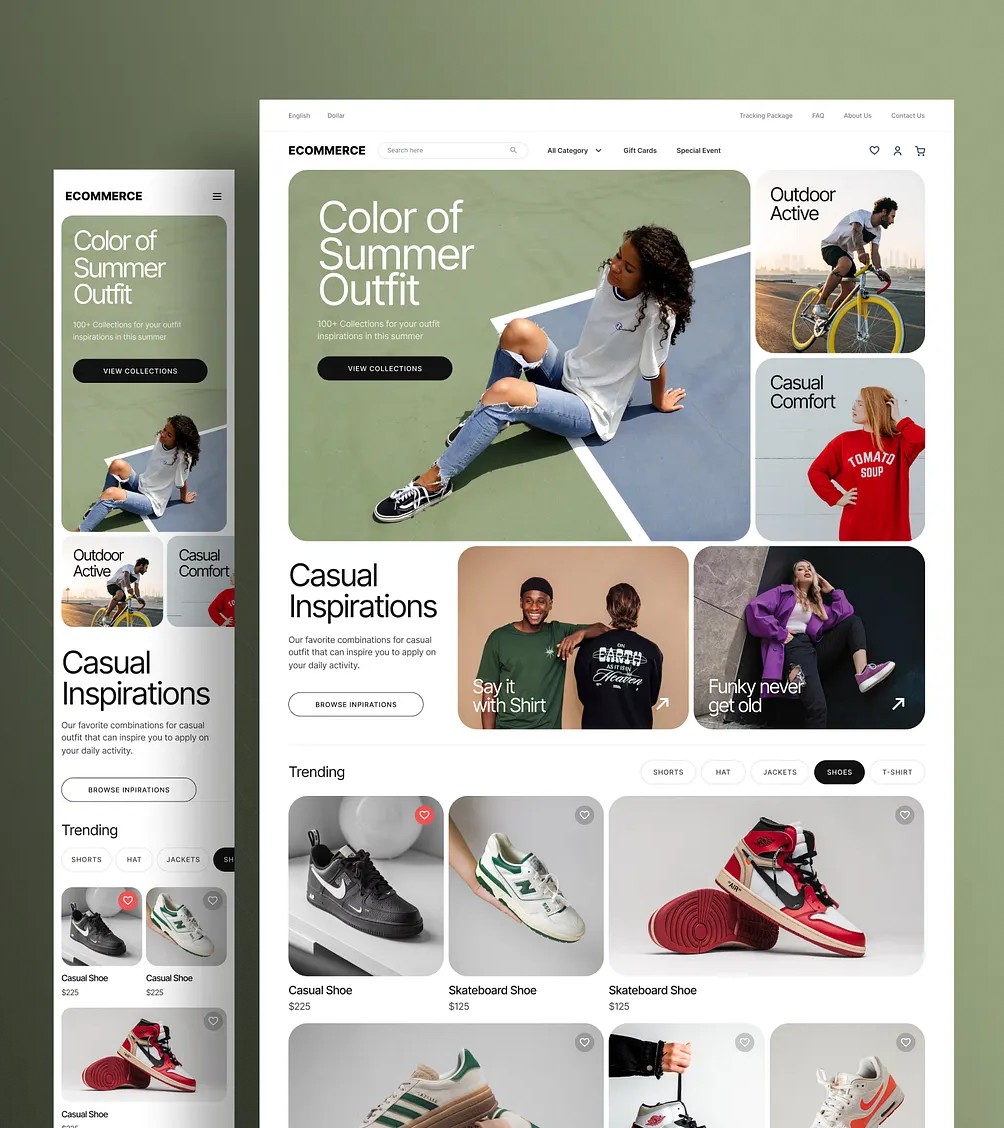
Starting from a running commerce blueprint rather than an empty project means the first two weeks of this phase are spent on brand, photography and copy instead of on payment integration and order emails. Put the storefront on your own domain early — sending a launch audience to a generic subdomain undercuts the brand you spent years building.

Week five — rehearse the failure modes
Launches do not usually fail on traffic. They fail on the hour after traffic arrives: a discount code that does not apply, a shipping estimate nobody can find, a question asked two hundred times that only you can answer. Every one of those turns a buyer into a refund or a silence.
Write the answers down first
Shipping times, returns, sizing, materials, restock timing. Load them into the agent that handles your storefront conversations so the two-hundredth person gets the same answer as the first — instantly, and while you are asleep.
Test the unhappy paths
Place a real order. Then cancel one, apply a promo code, and ask a question from a phone as a customer would. The bugs that hurt on launch day are always in the paths nobody rehearsed.
Week six — launch narrow, then widen
Open to a subset first — your close followers, an email list, or a story with a limited-quantity framing. This is not a marketing trick; it is a load test with forgiving participants. You want the first fifty orders to surface the operational problems while the audience still assumes good faith.
Your audience will forgive a delay they were told about. They will not forgive silence, and silence is what happens when one person is doing support by hand.
After launch, the metric that matters is not the launch-day total — that number is a function of audience size and says little about the business. Watch the second purchase, and watch how much of your week the storefront consumes. An audience-led brand that costs you thirty hours a week has replaced a job with a harder one.
The point of buying the stack rather than building it is that the six weeks go into the parts only you can do. Nobody else can convert your audience. Plenty of software can take the order.